What makes a leader stand tall when everything around him burns and crumbles? Most wars are not won by weapons alone but by soldiers filled with courage and resilience, ready to go to any extent to protect their cause. But where does that resilience come from? It is said that a good leader creates good followers. When a leader is low on courage and determination, how can those who follow him rise any higher?
Every soldier’s sacrifice in war holds meaning, yet without strong and intelligent leadership, even the bravest can falter. Courage alone is not enough. Strategy, wit, and discipline decide whether courage becomes victory or defeat. The Battle of Iwo Jima stands as a perfect example of this truth. It shows what true leadership looks like in war. A leader’s duty is not only to command but to lead with purpose. Discipline, courage, and resilience together form the backbone of leadership.
Leadership at Iwo Jima
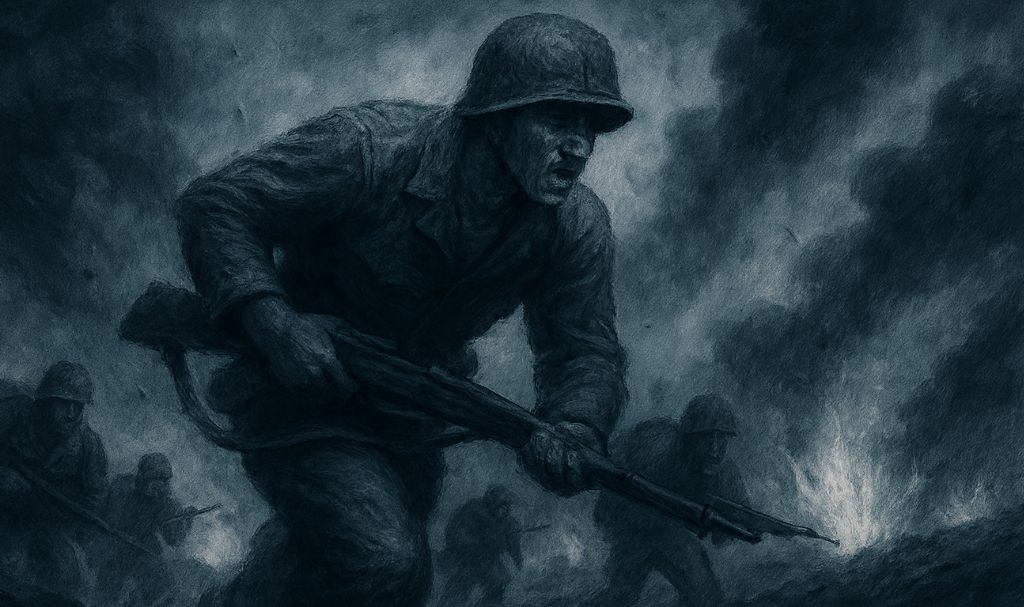
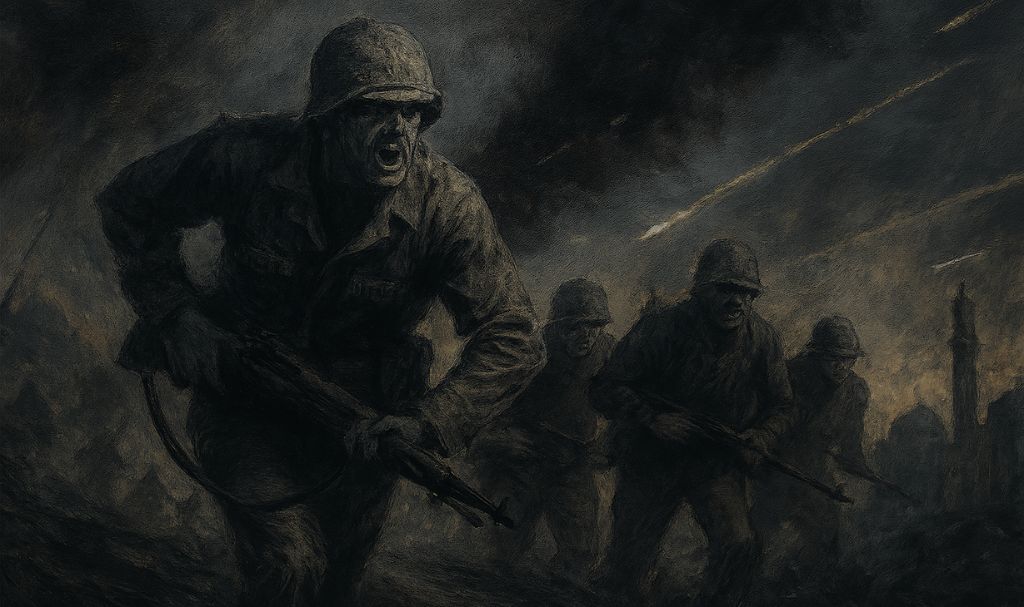
The Lessons from Iwo Jima are lessons written in blood and bravery. Major John Keith Wells, who led the Third Platoon, Easy Company, 28th Marines, understood what it meant to lead from the front. When his men faced the impossible task of storming Mount Suribachi under relentless fire, he did not hide behind ranks or orders. He stood up, weapon in hand, and charged ahead. His men followed, not out of duty, but out of faith in their leader.
This moment captured the essence of true leadership in war. Well’s platoon became one of the most decorated units in Marine Corps history. Their trust in him and in each other turned chaos into coordination. It proved that leadership is not built in comfort but in crisis.
Discipline and Courage at Iwo Jima
The courage at Iwo Jima was extraordinary, but it was discipline that kept that courage from unraveling. The Marines had been trained to move as one mind and one heartbeat. Even as bombs exploded around them, they advanced with precision. Every order mattered. Every action was tied to survival.
In the Iwo Jima battle insights drawn from Well’s account, we see that courage means little without structure. The men had faith in their training, and that faith gave them calm amid chaos. When exhaustion threatened to crush them, discipline took over. This combination of courage and control became the difference between victory and annihilation.
Leadership in such moments is about more than bravery. It is about judgment, timing, and awareness. The leader who stays steady helps his men find purpose even when surrounded by fear.
Lessons from the Pacific War
The lessons from the Pacific War are not just for soldiers. They apply to anyone facing hardship or uncertainty. Leadership, whether in battle or in life, means carrying the weight of others when they cannot carry it themselves. It means staying rational in chaos, and believing in the mission even when hope runs thin.
Well’s experiences in his book show that leadership has many faces. It can be quiet and firm, or fierce and determined. But it is always built on responsibility. His platoon’s discipline, loyalty, and courage reflect what happens when a leader’s belief in his team becomes stronger than fear itself.
The Spirit of Iwo Jima
The Iwo Jima stories of leadership reveal how ordinary men achieved extraordinary things because someone led them with conviction. Admiral Chester Nimitz once said, “Uncommon valor was a common virtue.” Those words were not poetic exaggeration. They were truth. On that small island in the Pacific, valor became the language of survival.
Major Well’s leadership proved that courage is contagious. His men fought harder because they saw him fight harder. His resolve became their compass. From the ashes of that brutal conflict emerged timeless principles of leadership: lead with clarity, fight with purpose, and never ask of others what you would not do yourself.
What We Learn from Iwo Jima
The discipline learned from Iwo Jima reminds us that no victory is possible without structure. The courage at Iwo Jima shows that fear can be mastered through purpose. And the Iwo Jima battle insights teach that leadership is not about control but about unity.
Every generation can take these lessons forward. Whether leading a team, guiding a family, or building a dream, the formula remains the same: courage to act, discipline to stay the course, and wisdom to make the right decisions when everything is at stake.
The Lessons from Iwo Jima show that leadership is not born in comfort. It is forged in the fire of trial and sacrifice. A true leader does not stand above his people but beside them. He carries their fears, their hopes, and their will to endure. Major John Keith Wells and his Marines proved that leadership is not about commanding others to fight. It is about showing them how to fight, how to believe, and how to win. Their courage on Iwo Jima remains a living reminder that the strongest leaders are those who lead with heart, intelligence, and unbreakable resolve.